Late Corn Planting and When to Adjust Relative Maturity
Apr 29, 2026
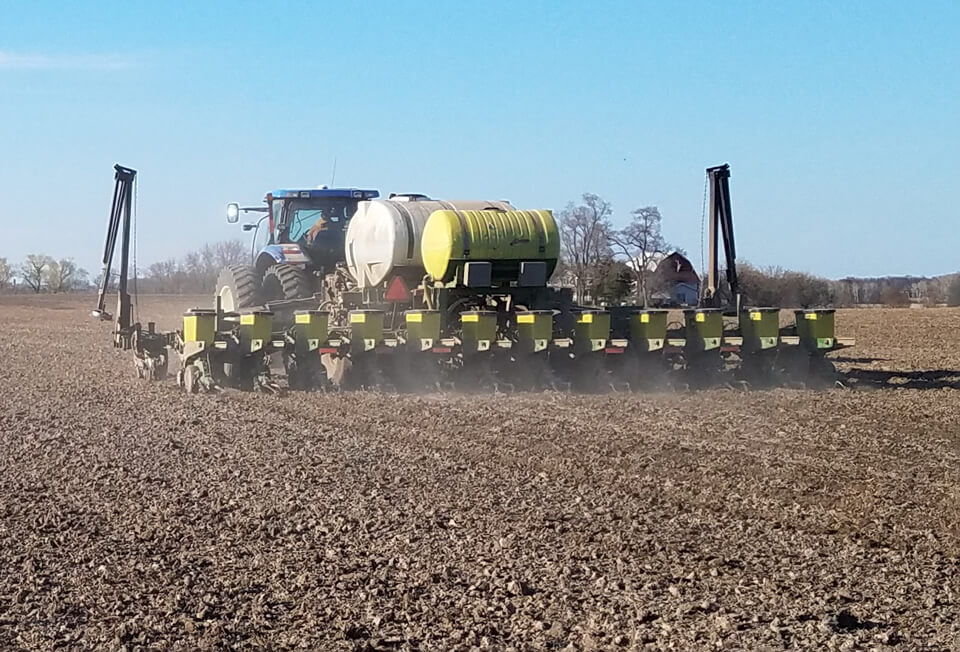
Due to unusually wet conditions in parts of Wisconsin, some growers are thinking it is getting late and that they need to change the corn maturity dates for 2026. The optimum date for corn planting in southern Wisconsin is May 1, and in the north, it is May 7. We recommend that growers wait instead of planting corn in wet, muddy conditions. There is still plenty of time to plant corn and achieve very good yield potential, even if planting is delayed. Potential yield declines accelerate if planting is delayed to late May or early June. Switching to earlier maturing corn for late-planting situations should be based on when you will return to the field, growing degree units (GDUs), and pest concerns.
Planting in Wet Soil
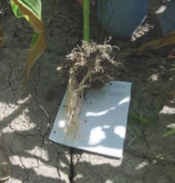
Planting date is only one factor contributing to yield. Stand establishment, nutrient availability, heat, and moisture during pollination, insect, weed, and disease pressure all influence yield as well. It is best to wait for favorable soil conditions for tillage and planting. Working the soil when it is too wet can cause compaction (Figure 1), and planting too wet can cause sidewall compaction that will interfere with root development. Planting two weeks later than the optimum planting date may produce higher yields than planting in wet conditions closer to the optimum date.
Figure 1. Effect of Compaction on Corn Root Growth. This field had a compaction layer 3 to 4 inches below the surface that restricted root growth. The roots proliferated in the slot created by the placement of starter fertilizer.
Corn Maturity
Growing season requirements for corn are measured using GDUs, which are defined as the difference between the average daily temperature and a selected base temperature (50○ F for corn). Most maturity ratings for corn are determined by the sum of daily GDU values from planting to the kernel black layer (physiological maturity).
Switching Corn Relative Maturities
Switching to earlier corn in late-planting situations should not be automatic. Full-season corn in a given area typically has the highest yield potential, which may help offset increased drying charges. As planting is delayed, corn maturities come closer together. Corn requires fewer GDUs to reach the black layer when planted later. A full-season corn adapted to your area can be planted later than previously thought and still reach physiological maturity safely before the average fall frost date. If you are planting corn with relative maturities (RM) recommended for a full-season corn for your area, Do Not switch corn maturity before May 20th (Table 1) for the following reasons.
1. To help maximize yield potential, you and your dealer select the best corn for the agronomic needs of each field.
2. Corn planted in Wisconsin today matures 5+ days earlier than products planted 10 to 15 years ago, which provides greater flexibility for slightly delayed planting dates.
3. Consider other factors like flowering dates and drydown.
Please consult your local United Cooperative Salesperson for more options regarding late planting.
Table 1. Expected corn grain yield for various planting dates and harvest populations in Relative Maturity Zones of 70-95 days and 95 to 115 days.

Planting in Wet Soil
Planting date is only one factor contributing to yield. Stand establishment, nutrient availability, heat, and moisture during pollination, insect, weed, and disease pressure all influence yield as well. It is best to wait for favorable soil conditions for tillage and planting. Working the soil when it is too wet can cause compaction (Figure 1), and planting too wet can cause sidewall compaction that will interfere with root development. Planting two weeks later than the optimum planting date may produce higher yields than planting in wet conditions closer to the optimum date.
Figure 1. Effect of Compaction on Corn Root Growth. This field had a compaction layer 3 to 4 inches below the surface that restricted root growth. The roots proliferated in the slot created by the placement of starter fertilizer.
Corn Maturity
Growing season requirements for corn are measured using GDUs, which are defined as the difference between the average daily temperature and a selected base temperature (50○ F for corn). Most maturity ratings for corn are determined by the sum of daily GDU values from planting to the kernel black layer (physiological maturity).
Switching Corn Relative Maturities
Switching to earlier corn in late-planting situations should not be automatic. Full-season corn in a given area typically has the highest yield potential, which may help offset increased drying charges. As planting is delayed, corn maturities come closer together. Corn requires fewer GDUs to reach the black layer when planted later. A full-season corn adapted to your area can be planted later than previously thought and still reach physiological maturity safely before the average fall frost date. If you are planting corn with relative maturities (RM) recommended for a full-season corn for your area, Do Not switch corn maturity before May 20th (Table 1) for the following reasons.
1. To help maximize yield potential, you and your dealer select the best corn for the agronomic needs of each field.
2. Corn planted in Wisconsin today matures 5+ days earlier than products planted 10 to 15 years ago, which provides greater flexibility for slightly delayed planting dates.
3. Consider other factors like flowering dates and drydown.
Please consult your local United Cooperative Salesperson for more options regarding late planting.
Table 1. Expected corn grain yield for various planting dates and harvest populations in Relative Maturity Zones of 70-95 days and 95 to 115 days.